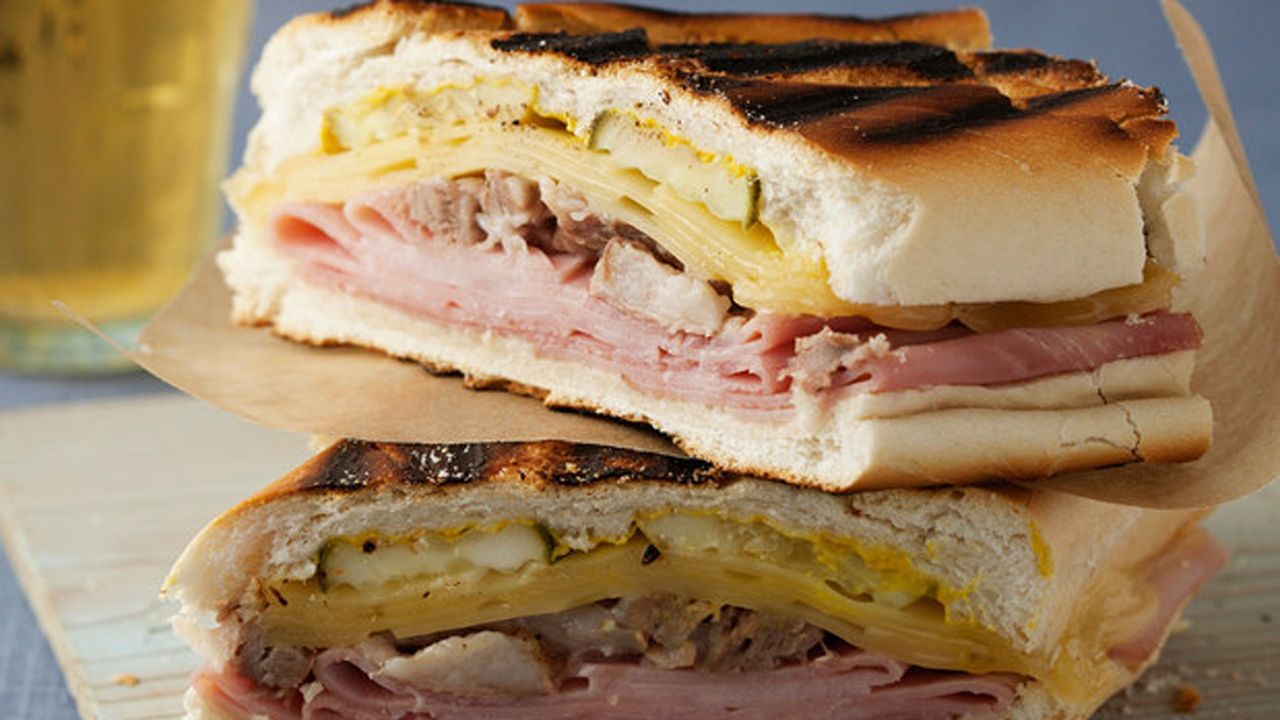
The Cuban sandwich, or Cubano, is more than just a meal; it's a symphony of textures and flavors, a culinary masterpiece born from a perfect marriage of savory meats, tangy pickles, Swiss cheese, and the magic of a hot press. While seemingly simple, mastering the Cuban sandwich recipe involves an understanding of quality ingredients, precise layering, and the transformative power of a perfect press. It's a sandwich that demands respect, and in return, delivers an unforgettable experience.
There's a reason the Cubano has captivated palates worldwide – it’s a harmonious blend of salty, sweet, sour, and rich, all compacted into a crispy, warm package. But what truly elevates a good Cubano to a great one? It's in the details: the choice of each component and the specific techniques used to bring them together. Let’s dive deep into crafting your best Cubano, focusing on what goes inside and how to achieve that iconic golden press.
The Heart of the Cubano: Unpacking the Essential Ingredients
Every legendary dish begins with exceptional ingredients, and the Cubano is no exception. While personal preferences can certainly guide your choices, a classic Cuban sandwich adheres to a specific roster that creates its distinctive profile. Understanding the role each ingredient plays is key to mastering this cuban sandwich recipe.
- Cuban Bread: This is non-negotiable for authenticity. True Cuban bread is a long, slightly sweet white bread with a thin, crispy crust and a soft, airy interior. Its structure is ideal for pressing, allowing it to become wonderfully flat and crunchy without becoming overly dense. If authentic Cuban bread is unavailable, a good quality French or Italian loaf with a similar texture will do in a pinch, but avoid anything too chewy or soft like brioche.
- Yellow Mustard: Simple, bright, and essential. Classic yellow mustard provides that signature tangy kick that cuts through the richness of the meats and cheese. Don't be tempted by Dijon or whole-grain varieties here; the straightforward acidity of yellow mustard is precisely what's needed.
- Swiss Cheese: A mild, nutty Swiss cheese that melts beautifully is crucial. As it heats, it becomes gooey, binding the ingredients together and adding a creamy, savory dimension to each bite.
- Dill Pickles: These aren't just an afterthought; they're a critical component for texture and flavor balance. High-quality dill pickles offer a sharp, briny crunch that provides a delightful counterpoint to the rich meats. Some connoisseurs swear by "bread and butter" style dill pickles for their unique sweet-tart profile. A pro tip, as recommended by culinary experts like Alton Brown, is to blot your pickle slices dry with paper towels. This prevents excess moisture from making your bread soggy during pressing.
- Slow-Roasted Pork: This is arguably the soul of the sandwich. The pork should be incredibly tender, juicy, and bursting with flavor. Traditional Cuban mojo-marinated slow-roasted pork is ideal, often referred to as "lechon asado." However, variations like pulled pork or savory carnitas also work wonderfully, offering a succulent, melt-in-your-mouth experience. This component truly sets the stage for a memorable Cubano.
- Sweet Sliced Ham: Complementing the robust pork is thinly sliced ham, typically a good quality sweet or honey-roasted ham. The slight sweetness of the ham provides a wonderful contrast to the savory pork and tangy mustard, adding another layer of complexity.
- Butter: While not an internal filling, softened butter spread generously on the outside of the bread is absolutely essential for achieving that characteristic golden, crispy crust when pressed.
For a deeper dive into the specific "rules" that govern this culinary classic, explore our article on Classic Cuban Sandwich: Unveiling the Authentic Recipe Rules.
The Art of Layering: Building Your Perfect Cubano
Just like a master architect meticulously plans each floor of a building, the order of ingredients in a Cubano is not arbitrary. It's a deliberate arrangement designed to maximize flavor, texture, and melt. The goal is a perfect harmony where every bite offers a balanced experience.
Here’s the classic layering sequence for your cuban sandwich recipe:
- Coat the Bread with Mustard: Start by lightly spreading yellow mustard on the cut sides of both halves of your Cuban bread. This provides the foundational tang and also acts as a flavor barrier for the bread.
- Swiss Cheese: Place a layer of Swiss cheese directly on the mustard-coated bread (usually the bottom half first, but some prefer a layer on both top and bottom bread halves). Placing cheese directly on the bread allows it to melt into the bread during pressing, creating a delicious, gooey base and helping to seal in moisture and flavor.
- Dill Pickles: Next, arrange your blotted dill pickle slices evenly over the Swiss cheese. Their placement between the cheese and the pork ensures their bright, briny flavor is well distributed and their crunch stands out.
- Roast Pork: Pile a generous portion of your succulent roast pork over the pickles. Ensure it's evenly spread for consistent flavor.
- Sliced Ham: Finally, lay your slices of sweet ham over the roast pork. This completes the meat layer, adding its distinct flavor and moisture.
Some chefs, like Alton Brown, advocate for pre-stacking your ingredients on a cutting board before assembling the sandwich. This can streamline the process, especially if you're making multiple Cubanos, ensuring each sandwich has an even distribution of fillings. Regardless of your pre-stacking method, aim for generosity without overstuffing – you need to be able to press it flat!
Mastering the Press: The Key to Golden, Melty Perfection
The pressing is where the magic truly happens. This step transforms a collection of delicious ingredients into the iconic, flattened, crispy-on-the-outside, gooey-on-the-inside masterpiece we know and love. A good press isn't just about heat; it's about pressure, timing, and achieving that signature texture.
The Right Equipment
- Panini Press: This is the ideal tool for a Cubano. Its dual heating plates ensure even heat distribution from both sides, while the hinged design provides consistent pressure. If your press has temperature settings, set it to "full power" or high heat.
- Cast Iron Skillet with Weight: No panini press? No problem! A heavy cast-iron skillet (or even a regular skillet) combined with a weight (like another heavy pan, a foil-wrapped brick, or even a can of food) can mimic the effect. Heat your skillet over medium-high heat, place your sandwich in, and press down firmly with your weighted top pan.
The Pressing Technique: From Crust to Core
- Butter the Exterior: This is a crucial step for achieving that beautiful golden-brown, crispy crust. Generously spread softened butter on the outside of both halves of your assembled sandwich. The butter not only adds flavor but also helps the bread achieve a delightful crunch and prevents it from sticking to the press.
- Initial Press & Toasting: Place your buttered Cubano (or Cubanos, if your press allows for more than one) onto the preheated panini press. Close the press, applying firm, even pressure. Alton Brown's method suggests an initial press with the cut sides of the bread liberally buttered and placed cut-side down, then adding more butter to the outside of the rolls, and pressing for about 2.5 minutes. The goal here is to toast the bread and begin melting the cheese.
- The Foil Wrap Trick (Advanced Technique): This is where you can elevate your Cubano. After the initial toast, remove the sandwich from the press. Apply mustard to the now-toasted cut sides, arrange your pre-stacked or individual ingredients, and close the sandwich. Then, wrap the entire sandwich tightly in heavy-duty aluminum foil.
- Final Press in Foil: Place the foil-wrapped sandwich back into the hot press. This clever technique allows the sandwich to cook through more evenly. The foil helps to steam the interior slightly, ensuring the cheese fully melts and the meats are thoroughly warmed without over-browning the bread's exterior. Press for an additional 3 minutes.
The goal is to get the sandwich nice and toasty, with the bread pressed flat, golden, and crispy, and the cheese perfectly melted and gooey. The result is a truly remarkable sandwich experience. For more insights into the core components that make this sandwich sing, including the critical elements of pork, pickles, and perfect pressed bread, take a look at our guide to Cuban Sandwich Essentials: Pork, Pickles & Perfect Pressed Bread.
Beyond the Classic: Variations and Serving Suggestions
While the classic cuban sandwich recipe is sacred to many, variations exist and are embraced by others. Chef John acknowledges that "there are different recipes for Cuban sandwiches," and while the core remains, some enjoy slight deviations.
- The Turkey Cubano: Alton Brown offers a recipe featuring roast turkey instead of (or in addition to) pork, creating a lighter but still flavorful pressed sandwich. This can be a great alternative if you prefer poultry.
- Pork Alternatives: While slow-roasted pork is king, pulled pork, carnitas, or even a well-seasoned pork loin can stand in for the traditional lechon asado if you're short on time or specific ingredients.
Once your Cubano is perfectly pressed, a moment of patience is rewarded. Allow the sandwich to rest for about a minute in its foil wrap (if you used the foil method) before unwrapping. This brief rest helps the flavors meld and prevents everything from spilling out when you cut it. Serve your Cubano piping hot, ideally cut diagonally to reveal the beautiful layers inside. Pair it with an ice-cold beverage, and for an authentic Cuban finish, follow it with a sweet, strong cafecito – a classic way to complete the experience.
Conclusion
The Cuban sandwich is a testament to the idea that simplicity, when executed with precision and passion, can create culinary magic. From selecting the finest Cuban bread to layering each ingredient with purpose, and finally, mastering the art of the press, every step contributes to its iconic status. This comprehensive guide has hopefully equipped you with the knowledge and confidence to craft a Cubano that rivals the best. So, gather your ingredients, fire up your press, and embark on your journey to create a truly unforgettable cuban sandwich recipe – a testament to the joy of a perfectly pressed, flavor-packed meal.
